DPF & Emission System Maintenance
If you haul freight across the Maritimes—whether you’re heading into Moncton, running loads through Halifax, or making tight delivery windows to port—you already know one thing: nothing kills your schedule faster than engine derate mode.
That dreaded warning light—“DPF Full” or “Check Engine”—can cut your power, slow your truck, and cost you time, money, and potentially a contract.
The good news? Most derate situations are preventable with proper diesel particulate filter maintenance tips and routine service.
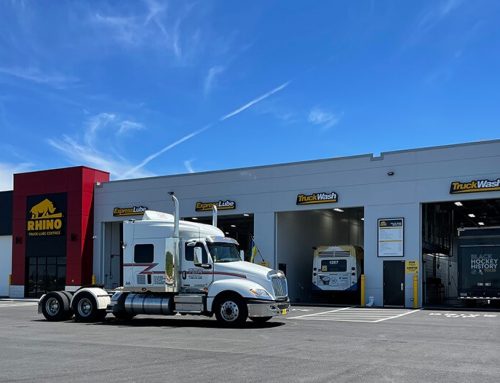
At Rhino Truck Lube Centres, we help drivers across the Maritimes protect their aftertreatment systems every single day. Here’s how.
Why the DPF is the Most Expensive Filter on Your Truck
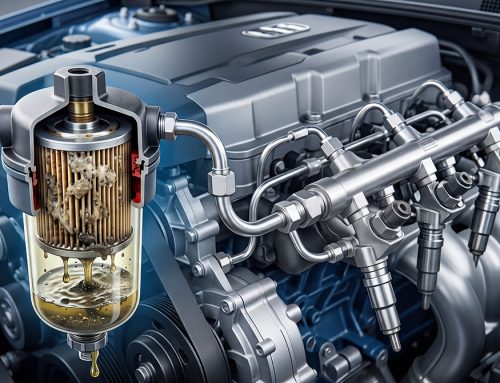
Your Diesel Particulate Filter (DPF) is designed to capture and store soot from exhaust gases. Over time, that soot is burned off through a process called regeneration.
But here’s the catch: Not everything burns off.
Ash—created from oil additives and contaminants—builds up permanently inside the filter. And unlike soot, it doesn’t regenerate away.
That means:
- Reduced fuel efficiency
- Increased back pressure
- Higher exhaust temperatures
- And eventually… forced derate
Replacing a DPF can cost thousands. Cleaning it isn’t cheap either—and downtime hurts even more when you’re trying to meet a shipping deadline in busy corridors like Saint John or port routes throughout Nova Scotia.
The Role of Oil: Why “Low Ash” Matters (CJ-4/CK-4)
Not all engine oils are created equal—especially when it comes to modern emissions systems. Using the wrong oil is one of the fastest ways to shorten your DPF lifespan.
What is “Low Ash” Oil?
Low ash oils (like CJ-4 and CK-4 spec oils) are specifically formulated for trucks with emissions systems.
They:
- Produce less ash during combustion
- Reduce buildup in your DPF
- Help maintain proper regeneration cycles
Low Ash Oil Benefits
- Longer DPF life
- Fewer regens (and fewer interruptions)
- Reduced risk of clogged DPF symptoms
- Better long-term engine performance
At Rhino, every oil change is done with DPF-safe, manufacturer-approved oil, helping drivers across the Maritimes avoid unnecessary repairs.
DEF Fluid Check: We Don’t Just Top It, We Test It
Diesel Exhaust Fluid (DEF) plays a critical role in reducing emissions—but poor DEF quality can trigger serious issues.
Many shops simply top off DEF and send you on your way.
At Rhino, we go further.
Why DEF Quality Matters
Contaminated or degraded DEF can:
- Trigger engine fault codes
- Reduce SCR system efficiency
- Lead to engine derate
- Damage expensive components
This is especially important in high-traffic transport hubs like Moncton, where stop-and-go driving can already stress your emissions system.
What We Check
- DEF concentration
- Contamination levels
- Proper fluid condition
Warning Signs Your Aftertreatment System is Struggling
Catching problems early can mean the difference between a quick fix and a costly breakdown.
Here are the most common signs of a clogged DPF or failing system:
- Frequent or failed regeneration cycles
- Loss of engine power
- Increased fuel consumption
- Warning lights (DPF, Check Engine)
- Strong exhaust smell or excessive smoke
If you’re noticing any of these while running routes through Nova Scotia or New Brunswick, don’t ignore them.
Waiting too long can push your truck into forced derate mode, limiting your speed and power until the issue is resolved.
Can a Quick Lube Help Prevent Regeneration Issues?
Absolutely—and this is where Rhino stands apart.
Routine lube service isn’t just about keeping your engine running—it’s about protecting your entire emissions system.
How Regular Service Helps:
- Proper Oil Selection
Using low ash oil reduces long-term DPF contamination. - Consistent Service Intervals
Sticking to recommended DPF cleaning intervals and oil changes keeps buildup under control. - Fluid Monitoring
Checking DEF and other fluids ensures your system runs efficiently. - Early Detection
Our technicians are trained to spot early warning signs before they become major issues.
Forced Regeneration vs Passive Regeneration
- Passive regeneration happens automatically during highway driving
- Forced regeneration requires intervention when the system gets too clogged
If you’re constantly needing forced regens, it’s a sign something isn’t right—and routine maintenance can help prevent that cycle.
Real-World Impact: Why It Matters in the Maritimes
Driving in the Maritimes presents unique challenges:
- Long hauls mixed with short urban runs
- Cold weather affecting DEF and combustion efficiency
- Tight delivery timelines to ports and distribution centres
Whether you’re hauling seafood exports out of Halifax or running freight through Moncton, preventing engine derate isn’t optional—it’s essential.
Routine service at Rhino helps ensure:
- Fewer unexpected breakdowns
- Lower maintenance costs
- More reliable delivery schedules
DPF Maintenance Tips You Can’t Ignore
Here are a few practical diesel particulate filter maintenance tips every driver should follow:
- Stick to your oil change schedule—don’t stretch intervals
- Always use manufacturer-approved low ash oil
- Avoid excessive idling when possible
- Address warning lights immediately
- Use high-quality DEF and keep it clean
- Don’t ignore repeated regeneration cycles
FAQs
Keep Your Truck Moving—Not Sitting in Derate
Your emissions system is one of the most expensive—and most critical—components on your truck.
Protecting it doesn’t require major overhauls. It just takes consistent, informed maintenance.
At Rhino Truck Lube Centres, we help drivers across the Maritimes stay ahead of problems with DPF-safe oil, proper fluid checks, and expert service.
Keep your dash lights off. Stop in for a DPF-safe oil change today.